
The Top-Tier Bias: Why Premier League Thinking Fails in the EFL
Most football commentary suffers from an elite obsession. Pundits spend countless hours analyzing tactical pressing systems, high defensive lines, and multi-million-pound squad rotations in the Champions League.
Then, casual evaluators take those exact same analytical principles and attempt to apply them to an English League One or League Two fixture on a freezing Tuesday evening in January.
The result is almost always disastrous.
In the English Football League (EFL), teams do not play a polite 38-game calendar with international breaks and five-star recovery facilities. They battle through a punishing 46-league-game marathon, frequently bloated to fifty-five or sixty matches once the FA Cup, League Cup, and regional trophy ties are factored in.
When a squad operates under a relentless Saturday-Tuesday-Saturday cycle, tactical theory takes a backseat to basic human survival.
If your match analysis relies strictly on historical head-to-head records and ignores the brutal reality of fixture backlogs, pitch conditions, and travel fatigue, you are evaluating fixtures that exist only on paper.
2. The Mechanics of the Tuesday Night Drop-Off
Why do heavy favorites in the lower divisions routinely drop points against bottom-table strugglers under midweek floodlights?
The answer lies in the physiological asymmetry of non-elite squads. Performance scouts look for two specific breakdown factors during congested calendar weeks:
The Cliff Edge of Secondary Squad Depth
Unlike top-flight giants who possess two international-quality players for every position, lower-tier clubs operate under strict salary caps and paper-thin squads. A League One manager typically has twelve or thirteen dependable outfield professionals. Beyond that core, the drop-off in tactical discipline and physical stamina is precipitous. When injuries and yellow card suspensions force three academy teenagers into the starting XI for a Tuesday away match, the team's underlying statistical baseline is completely shattered.
Heavy Winter Pitches and Route-One Regression
By mid-winter, lower-league pitches lose their pristine grass cover, turning into heavy, energy-sapping turf. Passing through central midfield becomes a massive tactical risk. Matches inevitably devolve into direct, second-ball territory wars where physical aerial duels replace fluid possession. A superior footballing side that cannot adapt to direct territorial slugfests will be completely suffocated by a physical opponent built specifically for set-piece territory.
📊 The Division Gap: Top-Flight Glamour vs. EFL Calendar Reality
1. Seasonal Match Volume
-
Elite Tier: 38 league fixtures, managed recovery cycles, sports science staff of twenty
-
Lower Divisions: 46 league fixtures plus multiple cup ties; 60+ matches across nine months
2. Midweek Travel Logistics
-
Elite Tier: Private charter flights; luxury hotel recovery suites
-
Lower Divisions: Six-hour coach journeys down the motorway arriving at 2:00 AM on Wednesday
3. Tactical Style Under Congestion
-
Elite Tier: Sustained territorial control via technical possession
-
Lower Divisions: Direct territorial punts, second-ball scrambles, and high-frequency dead-ball duels
4. Prediction Pitfall
-
Elite Tier: Overestimating tactical momentum
-
Lower Divisions: Ignoring fatigue backlogs and frozen pitch postponements
3. The Postponement Domino: Managing the Rescheduled Backlog
The most dangerous period in the lower-league calendar arrives between February and April, when matches previously postponed due to frozen pitches or waterlogged surfaces are squeezed into every available midweek slot.
A club that had four fixtures postponed during the winter freeze suddenly faces playing eight matches in twenty-four days.
Tracking Fixture Dates and Verified Match Records
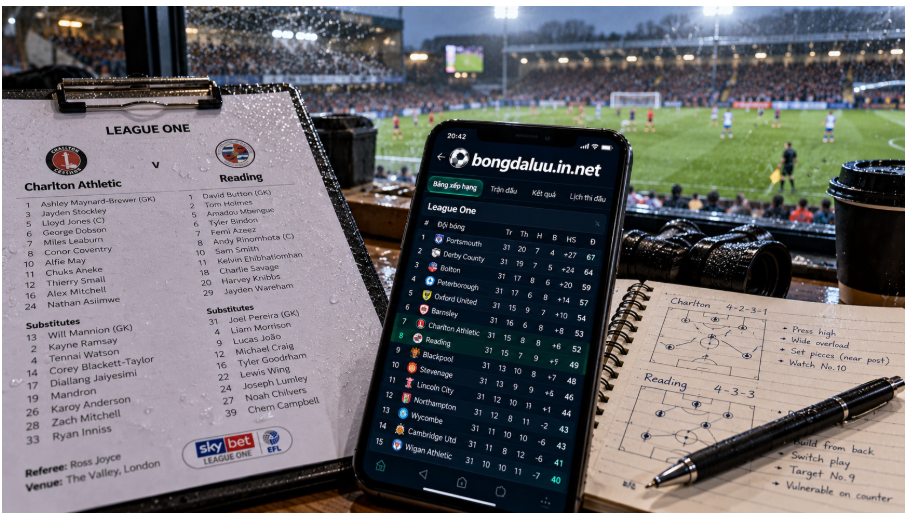
This calendar compression is where reliable, real-time fixture archives become indispensable. Consulting comprehensive scheduling hubs and synchronized match registries like Bongdalu allows researchers to verify true fixture intervals and historical sequence outputs without relying on outdated printed sheets. Tracking verified match calendars ensures you identify precisely when a seemingly confident team is actually entering its fourth competitive match in ten days, exposing the invisible physical exhaustion that pre-match form guides completely hide.
4. Grounding Weekly Selections in Ground-Level Realities
To accurately navigate weekly fixture sheets, raw league tables must be cross-referenced with operational squad context.
A team sitting 5th in the standings looks formidable on paper. But if they are traveling 300 miles north on a Tuesday night without their primary target-man and their captain serving a one-match suspension for five accumulated yellow cards, their league position is an illusion.
Auditing Travel Mileage and Disciplinary Suspensions
Before finalizing any weekly coupon evaluation, tracking verified squad availability, travel itineraries, and confirmed starting sheets on verified match registries provides the critical grounding needed to avoid classic schedule traps. Confirming whether a squad traveled on the morning of the match or had an uninterrupted training week separates real competitive favorites from exhausted teams ripe for an upset.
5. The Scout’s 3-Point Lower-League Diagnostic
When evaluating any tightly contested weekend or midweek lower-tier fixture, apply this physical checklist:
-
Calculate the Cumulative 14-Day Minutes: Look at the starting central defenders and midfield pivot. Have they played more than 360 competitive minutes in the last two weeks? If yes, expect mental lapses and late defensive errors between the 75th and 90th minutes.
-
Audit Away Travel Distance: Lower-league players travel on standard motor coaches. Any away trip exceeding 150 miles on a Tuesday afternoon creates heavy legs. Favor the rested home side regardless of table positioning.
-
Respect Winter Pitch Deterioration: If heavy rain or frost has compromised the playing surface, discard passing statistics. Favor teams that lead the division in aerial duel success and long-throw distance.
Lower-league football is not a chess match played on an iPad; it is an endurance contest won in the mud. When you learn to analyze the calendar, respect the travel miles, and account for the brutal wear-and-tear of a 46-game campaign, the form book stops lying—and the true pattern of the matchday reveals itself.

Leave a Comment
Your email will not be published. Comments are moderated before appearing.