A slot machine cannot conspire with anyone. A card table can, because the other seats are people with phones. That single difference is what separates trusted card games for rewards from every other product in a lobby, and it decides which safeguards the operator has to build.
Why does a table of humans carry its own risk?
The risk is not that the deal is rigged. It is that 2 seats can share what only 1 seat should know, and trusted card games for rewards are built around closing that channel.
Which risks exist only when opponents are people
House-banked games and player versus player games sit in the same lobby and face different threats. The comparison below shows where the duty of care moves:
Dimension
House-banked table
Player versus player table
Who produces the result
The engine alone
The cards plus every seated account
Who can coordinate
Nobody at the table
Any 2 seats with an outside channel
What the operator polices
Payout logic only
Behaviour between accounts
The right-hand column is the whole reason a card lobby needs staff rather than only software.
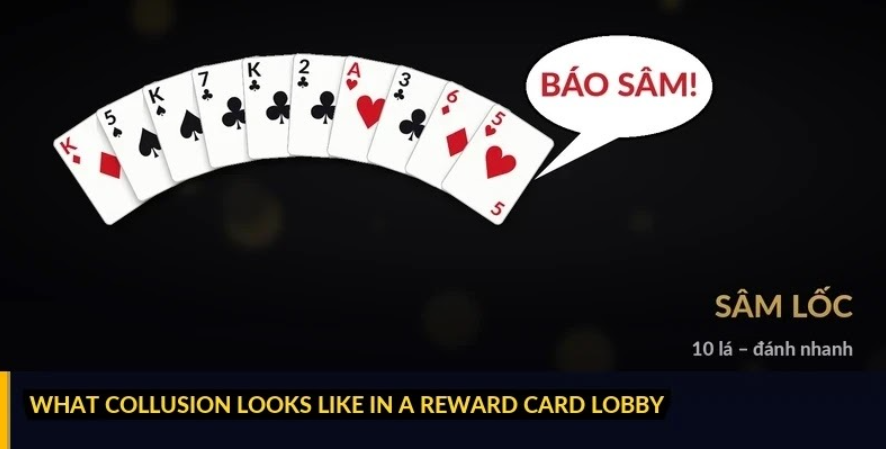
What collusion looks like in a reward card lobby
Coordination is rarely dramatic. It leaves small repeatable traces in the record rather than 1 obvious hand. Reviewers look for the trace, not the story, and the 3 forms below cover most reported cases:
Form
Signature left in the hand record
Card sharing
2 seats that never clash on strong holdings
Chip dumping
Value drifting one way across many hands
Playing for another
Decision style changing midway through a session
How do trusted card games for rewards detect coordinations
Collusion detection runs in 2 layers: what a lobby knows before the cards move, and what it learns from volume afterwards.
Signals a platform reads before a hand even starts
Seating is the first control. A lobby that lets players choose a table freely makes it trivial for 2 accounts to meet on purpose, so trusted card games for rewards usually seat by allocation rather than by invitation. Device fingerprints, network ranges and shared payment instruments feed the same decision. A lobby reached through a link such as SUNWIN still has to make that call on every seat request, and the cost of getting it wrong lands on the honest seats.
Patterns that surface only across thousands of hands
Single hands prove nothing. Aggregates do. Review systems compare how often 2 specific accounts meet, how often 1 folds to the other's aggression, and which direction value travels between them over 2.000 hands or more. A pair that meets far above chance at a 4-seat table is flagged by frequency alone, before anyone reads a single decision. Trusted card games for rewards depend on that volume being stored and searchable for months rather than days. A lobby that prunes its records weekly has thrown away the only evidence that ever catches a careful pair.

Why do hand history and session codes matter so much?
A hand that cannot be replayed cannot be reviewed, and trusted card games for rewards rest entirely on that replay being possible.
What a replayable hand record actually contains
A usable record is more than a result line. A result line says who won; a record says how the hand arrived there, seat by seat, which is the only version a reviewer can work from. Pulling 1 hand should return these items in order:
- The session code that identifies this table instance uniquely
- The seat order and the stake level in force for the hand
- Every action taken, with its timestamp, seat by seat
- The showdown, including cards that were mucked unseen
- The settlement figure applied to each seat afterwards
Why a missing session code ends a complaint early
Without a code, a report becomes a story. Support cannot search for a table that has no identifier, and a reviewer cannot line up 2 accounts across sessions that were never labelled. Screenshots do not fill the gap, because they show a result rather than an action sequence. The first thing worth testing in any reward card lobby is whether a finished hand can still be retrieved 24 hours later, and whether the code travels with it.
What can a player check in trusted card games for rewards?
Players see a narrow slice of the evidence. That holds whether the lobby opens in a browser or through an app build such as TÀI XỈU SUNWIN, and being clear about the slice beats pretending otherwise.
5 table signs worth a second look as you play
Sit at a small table for an hour and repetition becomes visible. Trusted card games for rewards log every table instance separately, so 5 patterns are worth noting rather than accusing:
- The same 2 names reappearing together across unrelated table instances
- 1 seat folding to a particular opponent far more than to anyone else
- Value drifting steadily from several seats toward a single account
- Action timing on 2 seats that rises and falls together all session
- A table that refills within seconds with an identical set of names
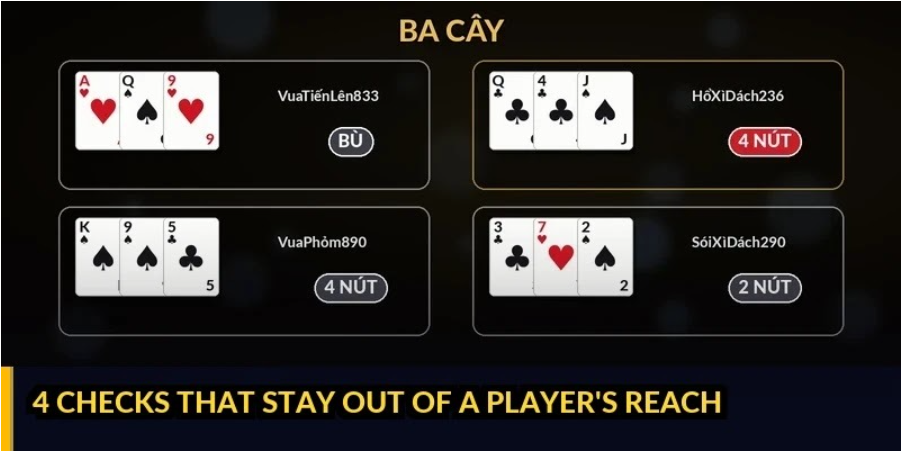
4 checks that stay out of a player's reach
Honesty about the limits matters more than a long checklist. 4 things sit entirely on the operator's side, and no amount of watching a table brings them closer:
- Device and network fingerprints, which no player can see or query
- The seating algorithm and whether allocation is genuinely random
- Whether a flagged pair was reviewed, and what the review concluded
- Aggregate data from tables you were never seated at yourself
A fair table is a reviewed table, not a quiet one
Nothing at a card table proves fairness by looking calm. Trusted card games for rewards earn the word through machinery a player never touches. Allocation replaces free seating. Records survive 24 hours and keep their session code. Reviews read 2.000 hands rather than 1 bad beat. What remains in a player's hands is smaller than the marketing suggests. You can check that a hand is retrievable, note repetition without accusing anyone, and report with a code attached. The rest sits with whoever runs the queue, which is worth knowing before the first buy-in.

Leave a Comment
Your email will not be published. Comments are moderated before appearing.