Blackjack 789Club is a card game where each player tries to create a hand with a higher total than the dealer but not exceeding 21. Cards from 2 to 10 are counted according to their face value, J, Q, and K are usually worth 10, while Ace can be counted as 1 or 11 depending on the total hand. A blackjack game therefore revolves not only around the number 21 but also depends on how the cards are combined and the choices made during turns.
The value of each card combination in blackjack.
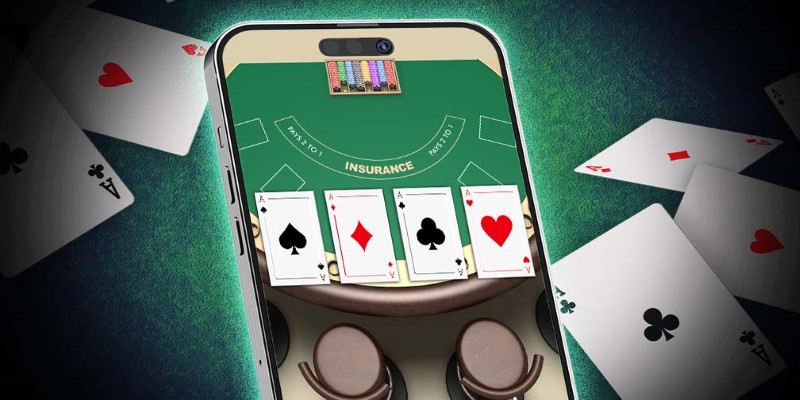
The scoring system in blackjack is quite straightforward, with cards from 2 to 10 retaining their face value. The three face cards J, Q, and K all count as 10 points, while the Ace is a special case as it can have a value of 1 or 11. This flexible scoring allows a hand containing an Ace to be adjusted to avoid exceeding 21 in appropriate situations.
For example, an Ace and a 6 can be counted as 17, with the Ace having a value of 11. If another card is received, causing the total to exceed 21 using this method, the Ace can be moved to a value of 1 to maintain a valid total. This is why it's necessary to consider the entire hand instead of assuming the Ace always has a fixed value.
The 21 mark isn't always the same.
A hand that reaches exactly 21 points isn't always called Blackjack. If the first two cards are an Ace and a 10, it's a natural Blackjack. This is different from a hand that reaches 21 after receiving additional cards during play.
This difference is important when reading the results because Blackjack is 789 Club This may be handled according to the specific payment terms of each table. Therefore, when following 789Clubblackjack, it's important to distinguish between "total 21" and "Blackjack from the first two cards" instead of considering the two cases to be completely the same.
What is the difference between hard hand and soft hand?
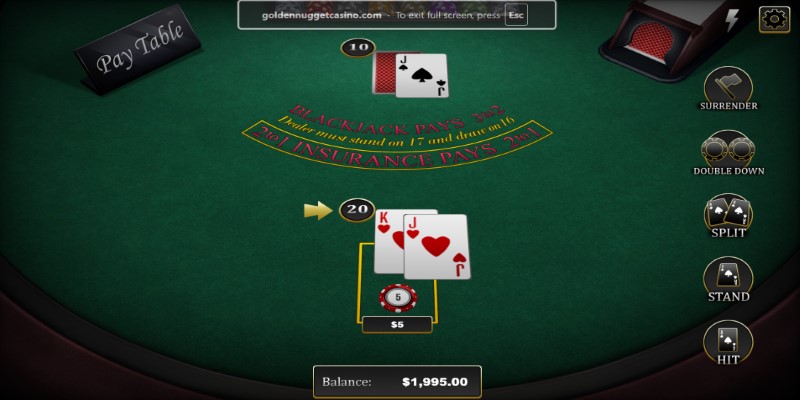
A hand is considered "Soft" when an Ace is counted as 11 and the total doesn't exceed 21. For example, A + 6 makes a Soft 17. Conversely, a "Hard" hand is when there is no Ace, or the Ace must be counted as 1 to keep the total from exceeding the limit. This classification is often used to accurately describe the state of a hand at any given time.
The difference between Hard and Soft is particularly noticeable when the total score is around key points. A hand with an Ace can still receive more cards without immediately exceeding 21 if the Ace's value can change from 11 to 1. Therefore, the same displayed total score doesn't necessarily reflect the complete structure of the cards within.
Hit and Stand change the course of the hand.
Hit is the option to draw an additional card, while Stand is to keep the cards you currently hold and end your turn. When you choose Hit, the total score is recalculated after each new card; if the total exceeds 21, the hand is Bust and that turn ends according to the rules of blackjack. Stand, on the other hand, does not add any more cards but transfers the turn to the next player.
These two actions constitute the player's initiative in a blackjack game. Unlike baccarat, where the process of dealing additional cards by the Player and Banker is determined by fixed rules, blackjack allows players to decide whether to continue taking cards or stand within the range of options provided by the table.
Double and Split are for specific situations.
Double Down allows you to increase your bet based on the table conditions and receive exactly one more card before being forced to Stand. This is an option tied to the initial two cards and may be limited by the specific rules of each table. Split applies when the initial two cards qualify to split into two separate hands, after which each hand is dealt independently according to their respective rules.
These two actions make the game structure more complex than a regular Hit and Stand. With Split, an initial turn can become two separate hands that need to be handled separately; with Double, a player receives exactly one more card and then finishes the action. Therefore, reading the hand status needs to be linked to the action performed previously.
The dealer completes their hand according to fixed rules.
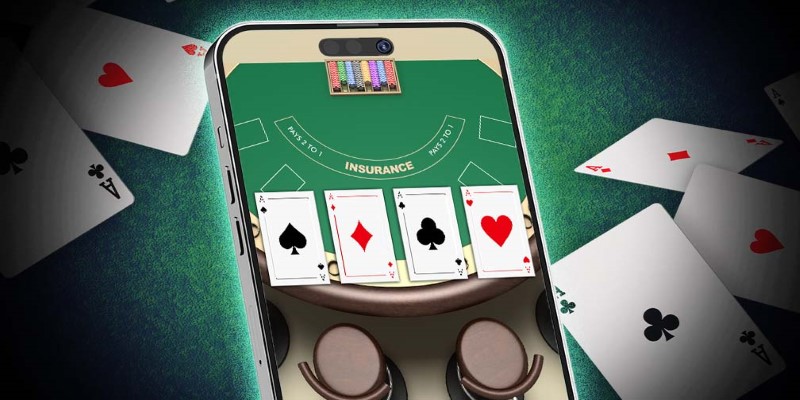
After the players have finished their turns, the dealer deals with their hands. In common blackjack rules, the dealer continues to take cards when the total is 16 or less and must stop at 17 or more, although the handling of a Soft 17 may vary depending on the rules of each table.
The difference lies in the fact that the dealer doesn't choose Hit or Stand based on the players' own rules. The dealer must follow the rules applicable to the table, and then the final hand is compared to the unbusted hands. If the dealer exceeds 21, the unbusted hands usually win according to the corresponding rules; if both hands remain valid, the total points are used to determine the winner.
Conclude
Blackjack 789Clubis built around a point system with a base of 21, where Aces can have a value of 1 or 11 and face cards are worth 10 points. Starting with two cards, players can use Hit, Stand, Double, or Split depending on the table conditions. The dealer then finalizes the hand according to fixed rules before the two sides are compared. Understanding card values, Hard and Soft hands, natural Blackjack, and Bust and Push situations will help in accurately predicting the outcome of each round.

Leave a Comment
Your email will not be published. Comments are moderated before appearing.